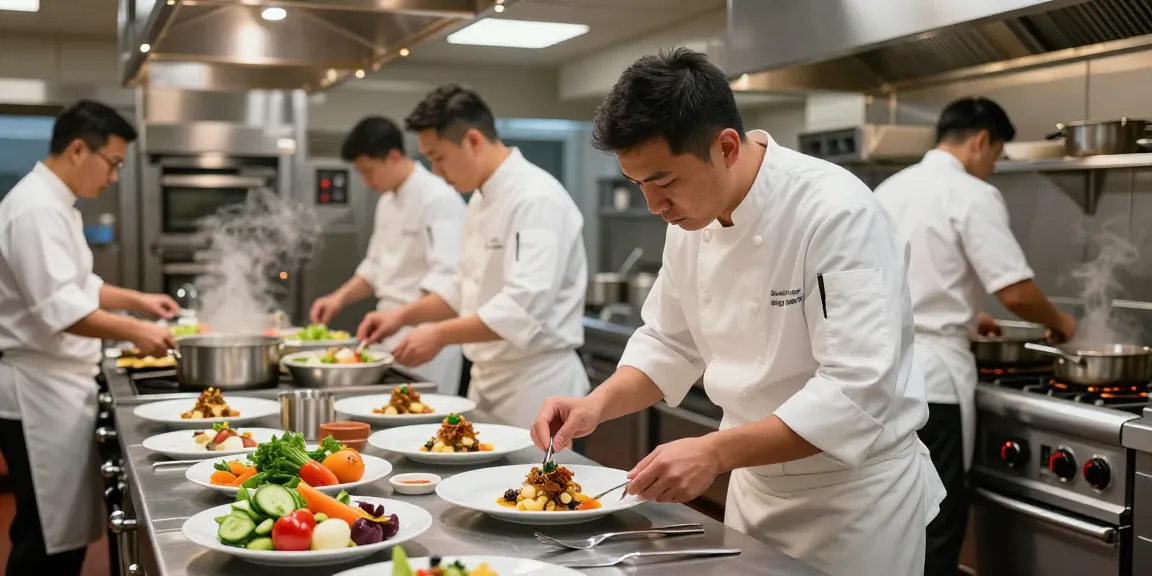
Understanding the Importance of Catering Equipment
In the fast-paced world of the culinary industry, Catering equipment plays a foundational role in ensuring efficiency, quality, and safety. A well-equipped kitchen allows chefs to prepare meals promptly while maintaining high standards of food safety and quality. Investing in the right equipment not only enhances productivity but also influences the overall dining experience, making it essential for restaurant owners and kitchen managers to prioritize their choices.
What Defines Quality Catering Equipment?
Quality catering equipment is characterized by durability, efficiency, and suitability for the specific needs of a kitchen. It should withstand the rigors of daily use in high-volume environments while delivering consistent performance. Key features include energy efficiency, ease of maintenance, and compliance with health and safety regulations. Furthermore, high-quality equipment often comes equipped with advanced technology that allows for better control over cooking processes, contributing to superior food quality.
Key Features to Look for in Catering Equipment
- Durability: Equipment should be robust, able to withstand heavy usage without frequent repairs.
- Energy Efficiency: Look for appliances with high energy ratings to reduce operational costs.
- Ease of Use: Equipment should be intuitive for staff of varying skill levels.
- Safety Features: Ensuring equipment meets safety standards is critical to prevent accidents in the kitchen.
- Warranty and Support: Reliable warranties and customer support can shield businesses from long-term costs.
Impact of Catering Equipment on Food Quality and Safety
The choice of catering equipment directly impacts both food quality and safety. For instance, using commercial ovens that provide precise temperature control ensures that food is cooked evenly, preserving flavor and texture. Moreover, efficient refrigeration systems are vital for maintaining food safety standards by preventing spoilage and contamination. In a world where health regulations are increasingly stringent, investing in compliant and high-quality equipment is not just a matter of preference but a necessity.
Trends in Catering Equipment for 2026
As the culinary landscape evolves, so too does the technology and equipment that underpins it. The coming years will see significant innovations in catering equipment driven by consumer needs and environmental considerations.
Emerging Technologies in Catering Equipment
Advancements in technology, such as IoT (Internet of Things) connectivity, are transforming commercial kitchens. Equipment that can communicate with kitchen management systems allows for real-time monitoring of cooking processes, energy usage, and maintenance needs. This not only enhances operational efficiency but also aids in minimizing wastage and reducing costs.
Eco-Friendly Catering Solutions
With growing awareness about environmental sustainability, there is a marked shift towards eco-friendly catering equipment. This includes energy-efficient appliances, biodegradable packaging, and systems that maximize resource efficiency. Restaurants are increasingly looking to partner with suppliers who prioritize sustainability in their product offerings.
Customization Trends in Catering Equipment
As the demand for unique dining experiences grows, customization of catering equipment is becoming more prevalent. Businesses are seeking tailored solutions that suit their specific operational needs and branding. This trend allows for greater flexibility and can lead to improved staff morale and customer satisfaction.
Choosing the Right Catering Equipment for Your Business
Selecting the right catering equipment is essential for operational success. It requires careful consideration of various factors, including space, menu, and budget.
Assessing Kitchen Space and Layout for Equipment
Before purchasing equipment, it is crucial to assess the kitchen’s layout and available space. Efficient use of space can significantly enhance workflow and productivity. For instance, compact appliances can be ideal for smaller kitchens, while larger establishments may require more robust and multifunctional equipment.
Understanding Your Menu Needs for Equipment Selection
Your menu largely dictates the type of catering equipment required. A restaurant focused on baking will benefit from high-quality ovens and refrigeration, whereas a grill-centric menu will necessitate durable fryers and grilling equipment. Careful alignment of equipment with menu requirements is essential for operational efficiency.
Comparing Cost vs. Value in Catering Equipment
While it can be tempting to opt for the lowest priced equipment, value should be prioritized over upfront costs. Higher-priced appliances often come with better warranties, lower maintenance costs, and longer lifespans. Conducting a cost-benefit analysis can help identify the best long-term investments for your kitchen.
Best Practices for Maintaining Catering Equipment
Proper maintenance of catering equipment is crucial for maximizing its lifespan and efficiency. Here are some best practices to ensure longevity and performance.
Regular Maintenance Routines to Extend Equipment Life
Implementing a regular maintenance schedule can prevent costly repairs and extend the life of your equipment. Periodic cleaning, inspections, and servicing should be integrated into the daily or weekly routines, depending on usage levels. Keeping equipment clean and well-maintained can also enhance food safety.
Common Mistakes in Equipment Care
One of the most common mistakes facilities make is neglecting the manufacturer’s guidelines for maintenance. Overlooking simple tasks, such as cleaning filters or checking seals, can lead to significant malfunctions. Training staff on proper usage and maintenance procedures can help avoid such pitfalls.
When to Repair vs. Replace Catering Equipment
Determining whether to repair or replace equipment can be challenging. If the cost of repairs approaches or exceeds 50% of the replacement cost, it might be more economical to purchase new equipment. Additionally, consider the efficiency of newer models and the potential cost savings they offer over time.
Future-Proofing Your Catering Equipment Investment
As the catering landscape shifts, future-proofing your equipment investments is essential for sustaining a competitive edge.
Planning for Equipment Upgrades and Innovations
Staying ahead of the curve requires planning for future upgrades. Keeping abreast of industry trends and innovations can help you anticipate equipment needs before they become urgent. Investing in modular systems that can be easily upgraded is a strategic approach to ensuring your kitchen remains state-of-the-art.
Staying Informed on Industry Standards and Regulations
With changes in health and safety regulations, it is crucial to stay informed about industry standards. Regular training for staff and consultations with suppliers can ensure compliance and promote best practices in food safety and operational efficiency.
Engaging with Suppliers for Ongoing Support and Training
Building strong relationships with suppliers can provide ongoing support and training for staff. This engagement can lead to better understanding and utilization of equipment, as well as access to innovations and solutions that can enhance your kitchen’s capabilities.
What are the best brands for catering equipment?
Some of the most respected brands in catering equipment include Unox, Lincat, and Foster Refrigeration. These brands are known for their reliability, innovation, and commitment to quality, making them ideal choices for both new and established businesses.
How can I reduce costs when buying catering equipment?
Consider options such as leasing equipment instead of purchasing, buying second-hand equipment, or negotiating bulk purchase discounts with suppliers. Regularly reviewing your equipment needs can also identify opportunities to optimize spending.
What are the benefits of leasing catering equipment?
Leasing catering equipment allows businesses to acquire the tools they need without the significant upfront costs associated with purchasing. It can also provide access to the latest technologies and models, ensuring that your kitchen remains competitive.
How often should catering equipment be serviced?
To ensure optimal performance, catering equipment should ideally be serviced at least twice a year. However, high-usage equipment may require more frequent inspections to identify and address potential issues before they escalate.
What innovations in catering equipment should I watch for in 2026?
As we look towards 2026, notable innovations to watch for include advancements in smart kitchen technology, eco-friendly materials, and tools designed for enhanced speed and efficiency in food preparation and service.