
The Importance of Steel Fabrication in Modern Construction
In the fast-evolving landscape of construction, steel fabrication has emerged as a cornerstone in achieving architectural and engineering excellence. As a fundamental process that involves the design, manufacturing, and assembly of steel components, it serves a multitude of applications—from residential projects to large-scale commercial constructions. Understanding the significance of steel fabrication can help project managers and homeowners alike make informed decisions that ensure durability, aesthetics, and overall client satisfaction.
When exploring options, steel fabrication provides comprehensive insights into how precision engineering meets creative design, highlighting the flexibility and strength of steel as a building material.
What is Steel Fabrication?
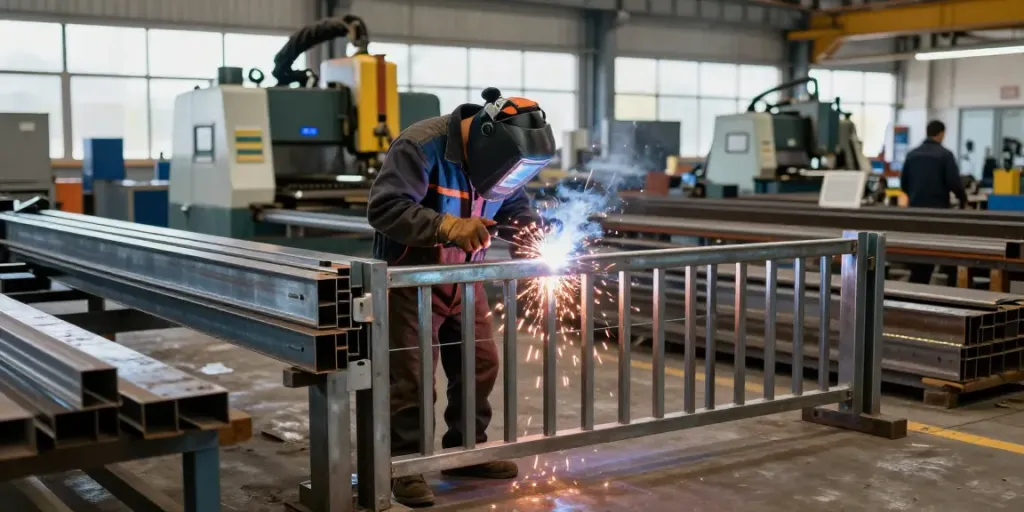
Steel fabrication refers to the process of shaping and assembling steel materials into a final product that fulfills specific design requirements. This can include structural elements like beams, columns, and frames or customized components like gates and railings. The fabrication process may involve cutting, bending, welding, and assembling steel parts, utilizing various techniques and machinery to ensure accuracy and quality.
Benefits of In-House Steel Fabrication
- Quality Control: Managing every aspect of the fabrication process allows for consistent quality and adherence to project specifications.
- Reduced Lead Times: In-house operations streamline processes, minimizing delays associated with outsourcing tasks.
- Cost-Effectiveness: Eliminating third-party expenses can lead to significant savings over the life of a project.
- Enhanced Communication: Direct communication between design and fabrication teams ensures that any issues are addressed immediately, reducing the risk of errors.
Common Misconceptions About Steel Fabrication
Despite its importance, several misconceptions about steel fabrication persist. One common myth is that all fabricators utilize the same standards and processes, which can lead to confusion. In reality, the methodologies and materials can vary significantly between companies. Furthermore, some clients believe that fabrication is solely about cutting steel; however, it encompasses a range of processes that ensure structural integrity and aesthetic appeal.
Understanding the Steel Fabrication Process
Key Steps in Steel Fabrication
The steel fabrication process can be broken down into several key steps:
- Design: Using CAD software to create detailed plans that meet the structural and aesthetic requirements.
- Material Selection: Choosing the right type and grade of steel based on the project’s demands and environmental considerations.
- Cutting: Employing saws, lasers, or plasma cutters to shape the steel into the required dimensions.
- Bending: Using hydraulic or mechanical presses to bend steel sheets or sections as per design specifications.
- Welding and Assembly: Joining components using various welding techniques to form a complete structure.
- Finishing: Applying protective coatings, such as paint or galvanization, to enhance durability and aesthetics.
Tools and Technologies Used in Steel Fabrication
Modern steel fabrication relies on advanced technologies to enhance precision and efficiency. Some of the key tools used include:
- Lasers and CNC Machines: For precise cutting and shaping of steel components.
- Welding Robots: Automated welding systems that ensure consistency and speed in joining parts.
- 3D Modelling Software: Tools that simulate the assembly process, helping to anticipate challenges before physical fabrication begins.
Timeframes for Steel Fabrication Projects
Timeframes for steel fabrication projects can vary based on the complexity and scale of the work. Simple projects, like custom gates, may be completed in a few weeks, while larger and more intricate structures can take several months. Establishing clear timelines during the planning phase is crucial for managing client expectations and coordinating with other construction activities.
Challenges Facing the Steel Fabrication Industry
Impact of Environmental Factors
Environmental conditions, particularly in coastal areas like Fujairah, significantly affect steel fabrication processes. Corrosion due to salt-laden air can compromise the durability of metal structures if not properly addressed through appropriate finishing techniques. Fabricators must consider these factors to ensure longevity and structural integrity.
Addressing Labor Shortages in the Industry
The steel fabrication industry faces challenges related to labor shortages, making it crucial for companies to attract skilled tradespeople. Moreover, investing in training programs and apprenticeships can help bridge the skills gap, ensuring a workforce that is well equipped to handle modern fabrication demands.
Cost Management in Steel Fabrication
Effective cost management is a fundamental aspect of steel fabrication. Fluctuating raw material prices and labor costs can impact project budgets. Fabricators must employ strategic sourcing and maintain good relationships with suppliers to mitigate these costs while ensuring quality remains uncompromised.
Future Trends in Steel Fabrication
Innovations Shaping the Future of Steel Fabrication
As technology advances, the landscape of steel fabrication continues to evolve. Innovations such as additive manufacturing (3D printing) and smart fabrication technologies are making it possible to create complex structures more efficiently and with less material waste.
Sustainability Initiatives in Steel Fabrication
With an increasing focus on sustainability, the steel fabrication industry is seeing a push towards using recycled materials and producing less waste. Implementing green practices, such as energy-efficient processes and eco-friendly materials, is becoming essential for fabricators looking to meet environmental regulations and client demands for sustainable construction solutions.
Emerging Technologies for Efficiency
Technologies such as IoT (Internet of Things) and AI (Artificial Intelligence) are being integrated into the fabrication process to improve productivity. Smart sensors can monitor equipment performance in real-time, enabling predictive maintenance and reducing downtime.
How to Choose a Steel Fabrication Partner
What to Look for in a Steel Fabrication Company
Selecting the right steel fabrication partner is critical for the success of any construction project. Look for companies with a proven track record of delivering high-quality work on time and within budget. Assessing their portfolio and client testimonials can provide insights into their capabilities.
Evaluating Quality Assurance Protocols
Quality assurance is essential in steel fabrication, as it ensures that the final product meets industry standards and project specifications. Evaluate the company's quality control processes, certifications, and experience in handling similar projects to gauge their commitment to excellence.
Understanding Pricing and Quotations in Steel Fabrication
When reviewing quotations from steel fabricators, it’s essential to analyze the breakdown of costs. Be wary of quotes that seem unusually low, as they may indicate compromised materials or rushed work. Transparent pricing that clearly outlines materials, labor, and additional costs is indicative of a trustworthy partner.
What are the common applications of Steel Fabrication?
Steel fabrication finds application across various sectors, including:
- Residential construction (e.g., gates, railings)
- Commercial buildings (e.g., frameworks, staircases)
- Bridge and infrastructure projects
- Industrial machinery and equipment
What skills does a steel fabricator need?
A proficient steel fabricator should possess several essential skills, including:
- Strong mechanical aptitude
- Welding and cutting techniques
- Blueprint reading and interpretation
- Attention to detail and problem-solving abilities
How can I find steel fabrication services near me?
Finding local steel fabrication services can be done through online searches, local business directories, or by asking for recommendations from construction professionals or suppliers in your area. It's recommended to contact multiple companies to compare services and quotes.
What are the safety standards in steel fabrication?
Safety is paramount in steel fabrication, with numerous regulations and standards in place to protect workers. These include proper training in handling equipment, use of personal protective equipment (PPE), and adherence to occupational health and safety guidelines.
What materials are commonly used in steel fabrication?
Common materials utilized in steel fabrication include:
- Carbon steel
- Stainless steel
- Alloys
- Structural steel components